Green Initiatives: How E-Waste Recycling Services Are Protecting Our Planet
Electronic waste presents serious dangers to the environment, as disposed electronics frequently harbor hazardous substances. Such dangerous compounds can pollute soil and water supplies, causing extensive damage to surrounding ecosystems. E-waste recycling services present a viable solution. They successfully retrieve useful resources while simultaneously minimizing environmental pollution. Gaining insight into how these programs function and affect local communities is critical. The journey towards effective e-waste management raises critical questions about individual responsibility and collective action. What measures can be pursued from this point onward?
How E-Waste Is Hurting the Planet
Even though technology enhances modern life, e-waste creates serious threats to the environment. Disposed electronic equipment, often containing toxic substances including mercury, lead, and cadmium, can leach toxins into soil and groundwater, presenting dangers to ecosystems and human health. The accelerating rate of technological innovation contributes to increased consumer turnover of electronics, exacerbating the accumulation of electronic waste.
Landfills, already burdened with waste, struggle to accommodate the growing volumes of discarded gadgets. Burning, an alternative disposal approach, discharges toxic contaminants into the air, worsening overall air quality. Moreover, poor recycling procedures can cause e-waste to be sent to developing regions, where employees may disassemble electronics without sufficient safety precautions, leaving them vulnerable to harmful substances. This ongoing cycle of carelessness and inadequate management emphasizes the pressing necessity for responsible recycling initiatives that can lessen the harmful consequences of e-waste on our world.
What Is E-Waste and Why Is It Important?
E-waste, or electronic waste, encompasses discarded electronic devices including computers, smartphones, and televisions that have exceeded their operational lifespan. This increasingly prevalent form of waste is important due to its rapid accumulation, driven by technological advancements and consumer trends. With an increasing number of devices reaching obsolescence, the environmental impact intensifies, with harmful substances like lead, mercury, and cadmium presenting serious hazards to the environment and human well-being.
The importance of addressing e-waste lies not only in mitigating these hazards but also in recognizing the valuable materials it contains. Valuable metals and rare earth materials can be extracted and repurposed, lessening the demand for mining and preserving natural resources. With a thorough understanding of e-waste and its impact, people and organizations alike can make educated decisions about disposal and recycling, helping to build a more sustainable world. Responsible management of e-waste plays a key role in supporting a circular economy and championing environmental stewardship.
How E-Waste Recycling Works
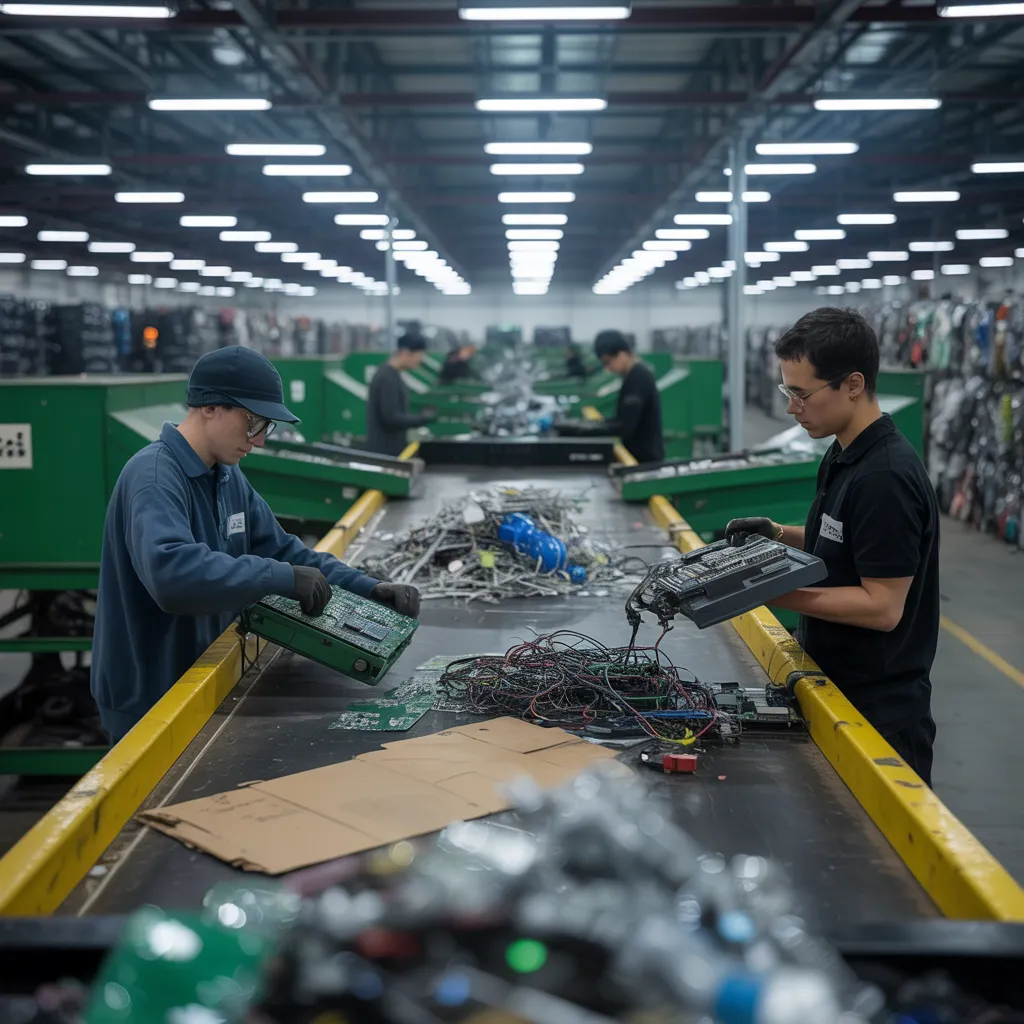
E-waste recycling entails an organized procedure designed to recover valuable materials while minimizing environmental impact. Initially, electronic waste is gathered and delivered to specialized recycling facilities. Upon arrival, the devices undergo thorough sorting to isolate dangerous parts from recoverable materials.
Next, employees break down the devices, recovering plastics, metals, and glass. This stage is crucial, as it makes possible the extraction of rare metals like gold, silver, and copper, which are repurposed in new electronics.
Afterward, the separated materials are handled via state-of-the-art techniques, such as mechanical shredding and chemical processing, to prepare them for further use.
In the final step, the leftover hazardous waste is handled with responsibility, complying with eco-friendly standards. This systematic method not only conserves resources but also reduces the dangers linked to irresponsible electronic waste disposal, guaranteeing a greener future for electronic consumption.
The Benefits of E-Waste Recycling for You and Your Community
Although it often goes unnoticed, the benefits of e-waste recycling go far beyond individual benefit and actively shape entire communities. By properly recycling electronic waste, individuals contribute to a cleaner environment, decreasing harmful substances that can contaminate soil and water. This responsible method helps preserve local ecosystems and supports public health.
Moreover, e-waste recycling promotes the creation of jobs in communities. Local recycling facilities often require personnel for a range of functions, including collection and processing, thus generating valuable job opportunities for local residents. This not only strengthens the regional economy but also inspires community dedication to sustainable efforts.
Furthermore, knowledge about e-waste recycling can lead to community outreach programs, enabling residents to adopt eco-friendly choices. By participating in e-waste recycling programs, individuals cultivate a culture of sustainability, prompting others to follow suit. All things considered, the collective impact of these actions can lead to a more sustainable and conscientious community.
How to Select an E-Waste Recycling Service
Picking the right e-waste recycling service is vital for making sure that electronic waste is processed in a responsible and sustainable manner. Initially, people should verify the service's certifications, such as e-Stewards or R2, which indicate compliance with industry standards for secure waste disposal procedures. It is equally important to evaluate the organization's standing by checking reviews and seeking recommendations from trusted sources.
Moreover, clarity in the recycling process is essential. A reliable company should supply straightforward details about how e-waste is processed and how the materials are utilized. Moreover, assessing the variety of services available can be advantageous; certain providers may offer collection services or present rewards for recycling.
Finally, understanding area-specific requirements for e-waste disposal can help inform the evaluation process. Through focusing on these key aspects, consumers can play a role in responsible e-waste disposal while supporting environmentally responsible practices.
How You Can Take Part in E-Waste Recycling?
Participating in e-waste recycling can start at the local level, where local recycling facilities regularly supply essential services for safe disposal. Additionally, taking part in community awareness campaigns can strengthen efforts to educate others about the importance of proper e-waste handling. These initiatives not only encourage sustainable practices but also cultivate a collective sense of stewardship of the environment.
Area Recycling Stations
Several local recycling centers perform an important function in e-waste recycling, providing communities with accessible options to discard electronic waste in an eco-friendly way. These hubs welcome a range of digital devices, including outdated computers, mobile phones, and TVs, verifying that toxic materials are disposed of safely. Most stations have qualified professionals who support individuals in understanding proper disposal practices, emphasizing the importance of recycling over landfilling. Moreover, several stations organize scheduled drop-off occasions or specific collection dates, enabling residents to engage without difficulty. By utilizing these local services, individuals contribute to a See the full post circular economy, lowering environmental harm and encouraging sustainable habits. Partnering with these facilities empowers communities to take action against e-waste pollution effectively.
Community Awareness Campaigns
Nearby organizations, schools, and enterprises can collaborate to host events that promote e-waste collection drives. Dedicated participants can take a leading part in spreading awareness, distributing educational materials, and engaging with the community. Through these collective efforts, residents become more informed and motivated to recycle their electronic waste, thereby helping to build a greener and more sustainable tomorrow.
Questions We Often Receive
What Kinds of Electronics Can Be Recycled?
Many different electronics may be recycled, including laptops, televisions, smartphones, printers, computers, and gaming consoles. Moreover, ancillary devices such as mice, keyboards, and batteries are also suitable for recycling, supporting eco-friendly conservation initiatives.
Is There a Cost Associated With E-Waste Recycling?
That's correct, e-waste recycling sometimes comes with fees, depending on the provider. Some facilities impose charges for pickup or handling, while some providers offer free services, typically funded by the proceeds from salvaged materials.
How Can Businesses Benefit From E-Waste Recycling?
Organizations can gain from e-waste recycling by minimizing disposal costs, improving their green reputation, adhering to regulatory requirements, extracting valuable resources, and possibly earning income through resale, thus supporting a greener and more sustainable operational framework.
What Becomes of Data on Recycled Devices?
Data from recycled equipment is often irretrievably wiped or obliterated throughout the recycling process. This confirms private details stays protected, blocking unwanted intrusion while allowing resources to be reused safely and responsibly in new products.
Are Broken Electronics Eligible for Recycling?
Absolutely, broken electronics can be recycled. Numerous recycling centers receive damaged devices, providing safe disposal and extraction of valuable materials. This helps minimize the environmental footprint while supporting eco-friendly recycling methods to address electrical waste responsibly.
Comments on “Why Electronics Recycling Services Ensure Compliance”